Supported Independent Living in Burpengary – Complete Guide
Supported Independent Living (SIL) is one of the most important supports under the NDIS for participants who require daily assistance while living as independently as possible. If you or a family member is considering Supported Independent Living in Burpengary, this guide explains eligibility, funding, living arrangements, provider selection, and how to get started — clearly and practically.
What Is Supported Independent Living (SIL)?
Supported Independent Living (SIL) is an NDIS-funded support designed for participants who need regular or ongoing help with everyday tasks while living in a shared or individual home.
SIL typically includes support with:
- Personal care (showering, dressing, hygiene)
- Meal preparation and nutrition support
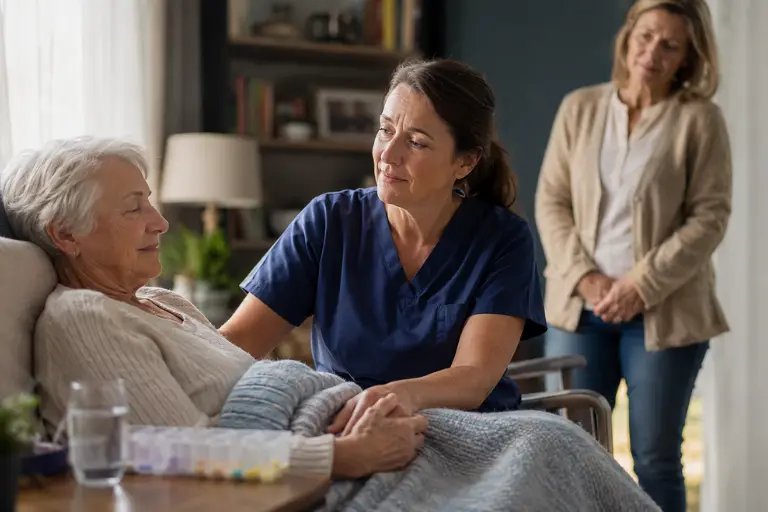
- Medication assistance
- Household tasks and cleaning
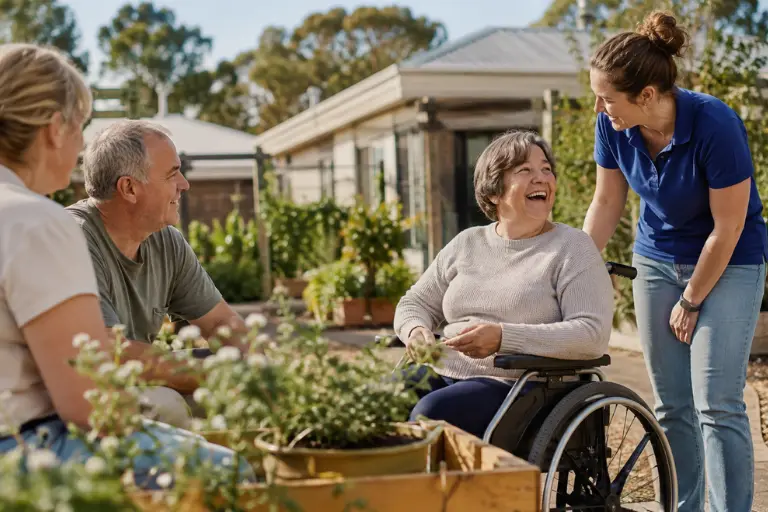
- Community participation
- Skill development for independent living
SIL is not the physical house itself — it refers to the support services provided inside the home.
Who Is Eligible for SIL Under the NDIS?
SIL funding is usually approved for participants who:
- Have significant functional impairment
- Require substantial daily support
- Need assistance with personal care and routine activities
- May benefit from shared living arrangements
- Have medium to high support needs
Eligibility is determined through an NDIS planning process and often requires:
- Functional assessments
- Allied health reports
- Evidence showing the need for daily structured support
What Does Supported Independent Living in Burpengary Include?
When choosing SIL in Burpengary, supports are structured around individual goals and daily living needs.
Typical inclusions:
1. 24/7 or Rostered Care
Support workers available around the clock or during specific hours.
2. Personal Care Assistance
Daily help with hygiene, dressing, grooming, and mobility.
3. Capacity Building
Developing life skills such as cooking, budgeting, and communication.
4. Community Access
Support to attend appointments, social events, or local activities in Burpengary.
5. Household Support
Cleaning, laundry, meal preparation, and maintaining a safe living environment.
SIL vs SDA – Understanding the Difference
Many families confuse Supported Independent Living (SIL) with Specialist Disability Accommodation (SDA). They are separate supports:
| Feature | SIL | SDA |
|---|---|---|
| What it covers | Support services | The physical home |
| Funded for | Daily assistance | Specialised housing design |
| Who needs it | Moderate to high support needs | Extreme functional impairment |
Some participants receive both, but approval depends on assessed needs.
Types of SIL Living Arrangements
SIL in Burpengary may be delivered in different formats:
Shared Accommodation
Participants live with 1–3 other residents with structured support.
Individual Living
Support provided in a private rental or family home.
High-Support Homes
Designed for participants requiring complex behavioural or medical assistance.
Each model depends on funding level, personal goals, and compatibility with housemates.
How SIL Funding Is Calculated
SIL funding is based on:
- Support intensity (low, medium, high)
- Overnight support requirements
- 1:1 or shared support ratios
- Behavioural or complex care needs
Funding is included in the participant’s Core Supports – Assistance with Daily Living category.
An Roster of Care (RoC) is typically created to justify funding levels.
Choosing the Right SIL Provider in Burpengary
Selecting a provider is critical for long-term stability and wellbeing.
When evaluating options, consider:
- Staff experience and training
- Communication transparency
- Cultural compatibility
- Emergency response protocols
- Customised support planning
- Consistency of support workers
A reliable SIL provider should prioritise independence, dignity, and goal-driven support — not just task completion.
You can explore how our structured support model works by reviewing the main Supported Independent Living (SIL) service page.
Benefits of Supported Independent Living
Well-structured SIL support can:
- Improve confidence and autonomy
- Build essential life skills
- Reduce family care pressure
- Increase social participation
- Create long-term housing stability
For many participants, SIL becomes a stepping stone toward greater independence and structured living routines.
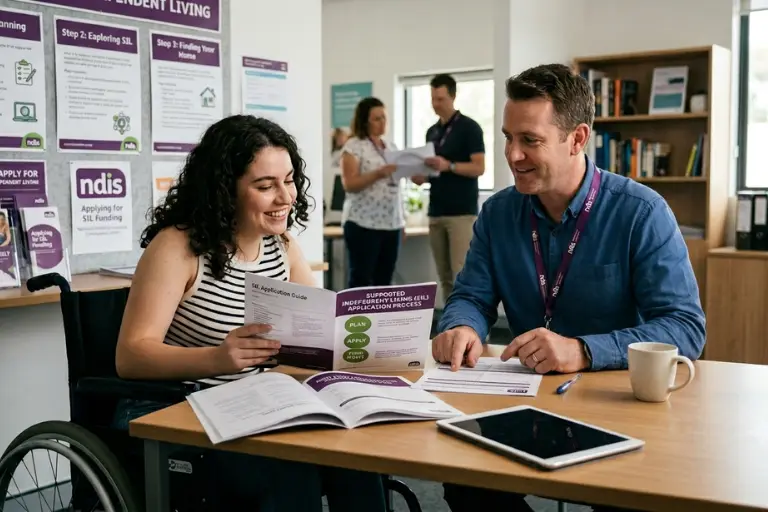
How to Apply for Supported Independent Living
The typical process includes:
- Speak with your Support Coordinator or LAC
- Gather functional and allied health assessments
- Submit SIL request documentation
- Develop a Roster of Care
- Receive NDIS funding approval
- Choose and transition into appropriate housing
Planning and documentation accuracy significantly affect approval speed.
Supported Independent Living in Burpengary: What to Consider Before Deciding
Before committing, ask:
- Does the environment support my goals?
- Is the support level flexible?
- Are housemates compatible?
- What happens if needs change?
- How are incidents managed?
SIL is a long-term living arrangement, so clarity upfront reduces disruption later.
Frequently Asked Questions
Is SIL available for all NDIS participants?
No. SIL is approved only when daily structured support is considered reasonable and necessary.
Can I choose my housemates?
In most cases, providers attempt to match participants based on compatibility, needs, and lifestyle preferences.
Can SIL funding be changed later?
Yes. Funding can be reassessed during plan reviews if needs increase or decrease.
Get Support for SIL in Burpengary
If you’re exploring Supported Independent Living in Burpengary and want guidance tailored to your situation, reviewing the full service breakdown is the best next step.
Visit our detailed Supported Independent Living (SIL) service page to understand available supports, housing options, and how to begin the process.
Final Note
Choosing SIL is a major decision. With the right structure, it becomes more than accommodation — it becomes a pathway to greater independence, routine stability, and meaningful participation in the community.

Allison Cosgrove
Hi, I'm Allison Cosgrove, Founder and Director of AAYDS (All About You Disability Support). I have over 15 years of experience in disability support and hold a Diploma in Individual Support. I'm passionate about helping NDIS participants, families, and carers access personalised, high-quality support that promotes independence and wellbeing.